Athlete Wellbeing
How to Spot When Your Athlete Is Struggling Mentally (Before It's Too Late)
February 14, 2026
Dr. Larkin
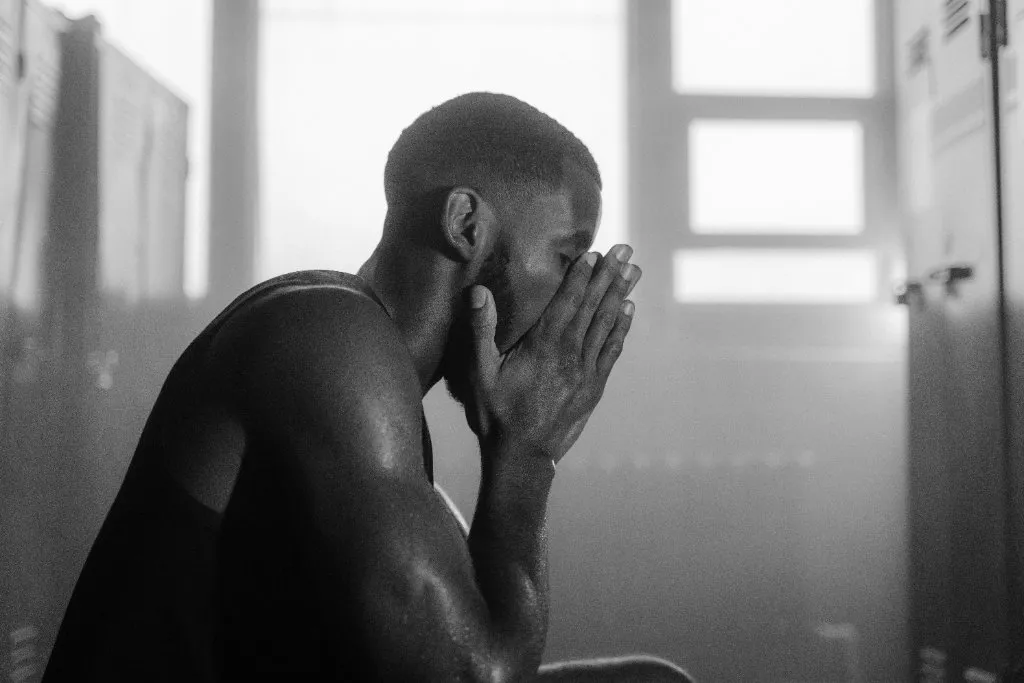
Athletes are conditioned to power through. To be tough. To handle it. But by the time an athlete finally says 'I'm struggling,' they've usually been struggling alone for weeks. Learn to recognize the early warning signs before it's too late.
# The Silent Crisis Happening Right in Front of You
You can feel it before you can name it.
They're still showing up.
They're still in uniform.
They're still running the drills.
But the edge is missing.
The kid who used to sprint into practice now walks. The one who used to light up when you corrected them now nods without eye contact. The competitor who thrived in pressure situations suddenly looks tight, hesitant, unsure.
You ask, "Everything good?"
They say, "Yeah. I'm fine."
And here's what most adults in sports don't realize:
**By the time an athlete finally says, "I'm struggling," they've usually been struggling alone for weeks.**
Athletes are conditioned to power through. To be tough. To handle it. To not let anyone see the crack in the armor. In many programs, vulnerability still feels risky. So instead of speaking up, they suppress. They compartmentalize. They perform.
Until their mind and body say, "Enough."
Mental health challenges in youth sports rarely explode overnight. They erode quietly. And if you're not intentionally looking for the early warning signs, you'll miss them.
Coaching the whole athlete means understanding this truth: **performance decline is often a symptom, not the problem.**
Let's talk about what that looks like in real life.
## When Energy Shifts, Something Is Shifting Inside
One of the first signs is subtle. It's not dramatic. It's a change in energy.
You notice they're not as engaged. They're a step slower. They're not attacking reps the way they used to. The fire seems dimmed.
It's easy to interpret this as laziness. A lack of commitment. A bad attitude.
But **energy is often the first casualty of mental overload.**
Burnout doesn't announce itself with a sign. It creeps in. Anxiety drains mental bandwidth. Depression flattens motivation. Family stress, academic pressure, social issues — they don't disappear when an athlete walks onto the field.
If you immediately challenge effort, you may shut down the very conversation that could help them.
Instead of asking, "Where's your intensity?" try noticing the shift out loud.
**"I've noticed you seem a little different lately — not in a bad way, just different. How are you really doing?"**
That one sentence communicates awareness, not accusation. And awareness builds trust.
## When Skills Regress, It's Often the Mind — Not the Mechanics
There's nothing more frustrating for a coach than watching an athlete who knows how to execute suddenly look lost.
They hesitate.
They overthink.
They second-guess simple decisions.
You want to say, "You've done this a thousand times."
And you're right. They have.
But **pressure changes the brain.**
When anxiety rises, the prefrontal cortex — the part responsible for decision-making and focus — doesn't function optimally. Instead of flowing, the athlete starts micromanaging movements that used to be automatic.
They're not "forgetting" the skill. They're trapped inside their own head.
And when performance drops, their confidence often drops with it.
If you respond with frustration, you confirm their worst fear: "I'm letting everyone down."
If you respond with curiosity, you create space for insight.
**"You're working hard. I can see that. What's going on in your head when this happens?"**
That question shifts the conversation from outcome to internal experience. That's where growth lives.
## Isolation Is Rarely Random
Team sports are social ecosystems. When an athlete begins withdrawing, it matters.
Maybe they used to joke around in the locker room and now they're silent. Maybe they skip team dinners. Maybe they avoid eye contact and give one-word answers.
This isn't always about the team. It may have nothing to do with sport at all.
Depression often pulls people inward. Anxiety can make social interaction exhausting. Feeling like they don't belong can cause an athlete to retreat before they feel rejected.
If you label them "antisocial," you widen the gap.
If you gently acknowledge the change, you narrow it.
**"I've noticed you've been keeping to yourself more lately. I just want you to know I'm here."**
You don't need the perfect words. You need consistency and sincerity.
## When Anger Is Actually Anxiety
Some struggling athletes don't look sad. They look explosive.
They snap at teammates. They slam equipment. They overreact to small mistakes. They argue with officials. Their frustration feels disproportionate.
Underneath that intensity is often fear.
Fear of failing.
Fear of disappointing.
Fear of losing control.
Anger can feel more powerful than anxiety. It's easier to project outward than admit you feel overwhelmed inside.
If you shame the behavior without exploring the cause, you reinforce the idea that emotions are unacceptable.
Instead, try separating the behavior from the person.
**"I can see you're really frustrated. Help me understand what's underneath that."**
You're not excusing the behavior. You're addressing the root.
## The Body Will Speak When the Athlete Won't
Frequent headaches before games.
Stomachaches that appear on competition days.
Trouble sleeping.
Chronic fatigue.
When an athlete says, "I just feel off," listen carefully.
**The body often becomes the spokesperson for unprocessed stress.**
Performance anxiety doesn't always show up as visible nerves. Sometimes it shows up as nausea in the locker room or tightness in the chest during warm-ups.
If you dismiss it as "just nerves," you miss an opportunity to teach regulation skills.
Instead, help them connect patterns.
**"When do you notice this happening most? What's usually on your mind right before?"**
Awareness reduces fear. When athletes understand their stress response, they can learn to manage it.
## Perfectionism: The Hidden Risk in High Achievers
High performers often carry invisible weight.
They win and still feel empty.
They execute well and obsess over one mistake.
They replay errors long after everyone else has moved on.
On the surface, they look driven. Internally, they may feel never enough.
When an athlete's self-worth becomes fused with performance, every mistake feels personal. Every bad game feels like a verdict on who they are.
Telling them to "stop being so hard on yourself" rarely works.
Helping them examine whether their standards are fueling growth or fueling anxiety is more powerful.
**"I know you hold yourself to a high level. Do those standards feel motivating right now, or do they feel crushing?"**
That question invites reflection instead of defensiveness.
## When They Start Talking About Quitting
This is the moment many adults mishandle.
An athlete casually says, "I don't even love this anymore."
And panic sets in.
Quitting talk is often a signal, not a decision. It can reflect burnout, identity confusion, or accumulated pressure.
If you immediately shut it down, you shut down honesty.
Instead, lean in.
**"That sounds important. What's making you feel that way?"**
Sometimes they don't actually want to quit. They want relief. They want permission to say, "This is hard."
## What To Do When You Notice the Signs
First, make it private. No public call-outs. No performative conversations.
Lead with what you see, not what you assume.
**"I've noticed some changes — your energy, your focus. I just want to check in."**
Then listen.
Really listen.
Resist the urge to fix it in the first five minutes. Validation is often more healing than advice.
"That makes sense."
"That sounds heavy."
"I'm glad you told me."
When athletes feel understood, their nervous system settles. That's not soft coaching. That's effective leadership.
And know your lane.
If an athlete mentions self-harm, hopelessness, or thoughts of suicide, that is immediate referral territory. In the U.S., the 988 Suicide & Crisis Lifeline is available 24/7. Connect them to school counselors, licensed therapists, or qualified mental health professionals.
Being a great coach does not mean handling everything alone. It means recognizing when to bring in the right support.
## The ALL IN Standard
Being ALL IN is not about ignoring mental health in pursuit of performance.
It's about building athletes who are:
- **Aware** of their internal shifts
- **Able to let go** of the stigma around asking for help
- **Locked in** on growth, not just stats
- Rooted in **intrinsic confidence**
- Capable of taking the **next play** in sport — and in life
If you want mentally tough athletes, you must first create emotionally safe environments.
Toughness without awareness becomes suppression.
Suppression eventually becomes breakdown.
But awareness plus support?
That builds resilience.
## The Bottom Line
Your athletes won't always tell you they're struggling.
But they will show you — in their energy, their body language, their performance, their relationships.
The real question isn't whether the signs are there.
**It's whether you're paying attention.**
You don't need to be a therapist.
You need to be present.
You need to be courageous enough to ask.
And compassionate enough to listen.
That's how you coach the whole athlete.
That's how you prevent crisis instead of reacting to it.
That's how you go ALL IN — for the human behind the jersey.
Ready to Get Started?
Get the Weekly Mental Performance Tip
One actionable mindset strategy each week — no spam, just value. Unsubscribe anytime.